

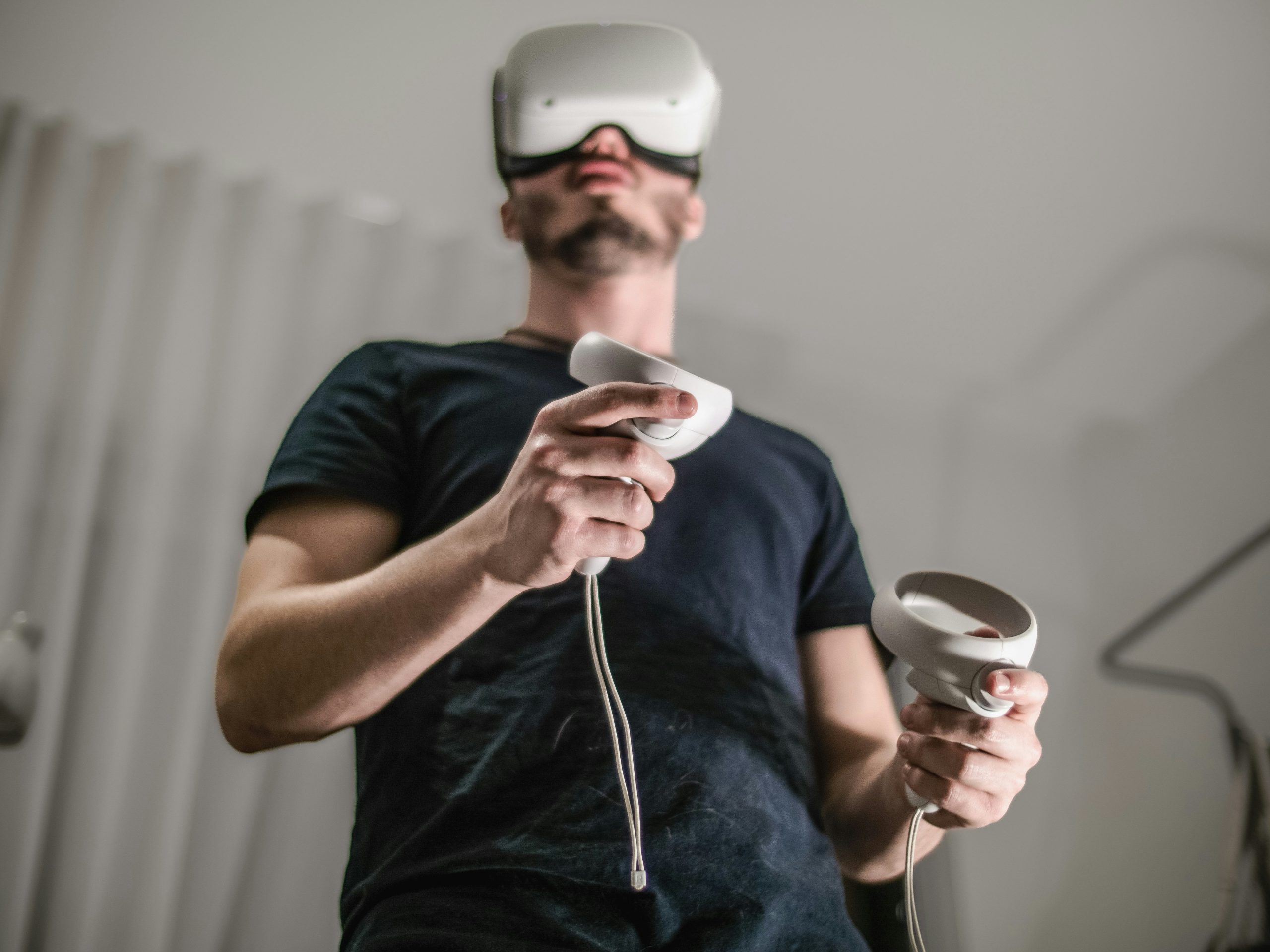
Technology moves fast, and the gambling world rarely sits still. Among the latest innovations making waves in online casinos is virtual reality, or VR. With this technology, players are stepping into fully immersive gambling environments without leaving the house. Let’s take a closer look at how VR is changing the game and what it could mean for the future of online betting.
What Is Virtual Reality in Gambling?
Virtual reality transports users into a simulated environment they can explore and interact with in real-time. In the world of gambling, VR can recreate the sights and sounds of a physical casino. Players can walk around, place bets, and engage with other players or dealers, just like they would on the casino floor.
Think of it as the sweet spot between brick-and-mortar casinos and online platforms. You get the best of both, all from your living room.
Fun fact: The concept of virtual reality goes back to the 1950s. A cinematographer named Morton Heilig developed the Sensorama, often considered the first VR machine. It was officially patented six years later.
How Virtual Reality Is Set to Transform Online Gambling
Here are some of the key ways VR is making an impact on online casinos:
A More Realistic Experience
VR makes online gambling feel much more like the real thing. You can explore a virtual casino floor, hear the background chatter, and watch other players take their chances at different tables. You might even interact with a dealer or visit a digital cashier’s booth. All these elements make gameplay more lifelike and entertaining.
Easier Learning Curve for New Players
Getting started with online gambling can be confusing, especially for beginners. Virtual reality platforms can offer interactive tutorials that walk new users through the basics—everything from creating an account to placing a bet or reaching customer support. With these features, new players can learn the ropes more easily and confidently.
Enhanced Social Interaction
VR technology also brings a stronger social aspect to online gambling. Many platforms are building in voice chat and real-time reactions, allowing players to talk, joke, and interact as if they were sitting at the same table.
This social component can be especially helpful in games like poker and blackjack, where players often read each other’s expressions. VR makes it possible to project faces or avatars in real-time, adding a new level of strategy and engagement.
More Interactive Game Mechanics
Forget clicking a mouse. In a VR casino, you might pull the lever of a slot machine with your hand or physically place your betting chips on a table. This interactive layer taps into how many younger players are already used to engaging with games. The result is a richer, more engaging experience that feels less like software and more like real play.
Customization Options
One of VR’s big strengths is customization. Players can design their own avatars, decorate virtual rooms, or choose specific lighting and background music. This personal touch creates a more memorable experience and encourages users to return.
The Challenges Ahead
Despite its promise, VR still faces hurdles in the gambling industry. For one, the equipment isn’t cheap. Some operators hesitate to invest in high-end VR gear due to the upfront and ongoing costs.
There’s also the risk of over-immersion. Players might lose track of time—or their spending—when caught up in such realistic environments. On top of that, not every country has internet speeds fast enough to support smooth VR play, which could limit access for some users.
Looking Forward: What’s Next for VR in Gambling?
The outlook is bright. As VR headsets become more affordable and global internet infrastructure improves, more people will be able to access these experiences. Software developers are already working on creating casino games built specifically for VR environments.
With related technologies like augmented reality and blockchain gaining momentum, the future of VR gambling is expected to be not just more realistic but also safer and more transparent.
Did you know? According to Statista, the VR market is projected to grow from $16 billion in 2024 to $18 billion in 2025. As usage increases, VR gambling is likely to move from novelty to mainstream.
Final Thoughts
Virtual reality is on the verge of redefining the gambling experience. While adoption is still in its early days, the potential is massive. Players are craving more interactive, personalized, and immersive environments—and VR is perfectly suited to deliver exactly that.
As costs come down and technology continues to improve, we’re likely to see a steady rise in VR casino experiences, making them a regular part of how people wager online.


